
How Printing Projects Are Actually Produced
- Frances Beebe
- Jan 7
- 3 min read

Updated: Feb 5
How Printing is Manufactured | Choosing the Right Print Partner
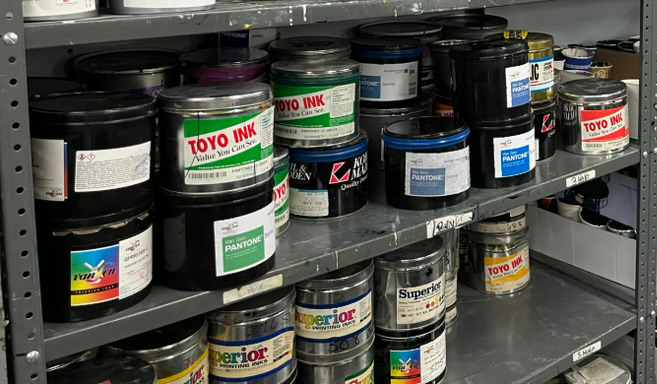
Printing often feels more stressful than it should. Timelines compress, expectations collide with reality, and everyone feels pressure — especially when a deadline is tied to a holiday.
The printing project itself determines the deadline, not the calendar. There is no other way to arrive at a realistic date.
Many clients are confused about what printer to choose and don’t realize that the printing industry is divided into different types of businesses — all of which play roles in manufacturing printed work.
Why the printing industry is structured the way it is
It’s important to understand that nearly every single printer – no matter how big they are – farms something out to a shop that they cannot do themselves. It might be other types of printing they do not have the machines for, finishing techniques they cannot do properly for quality reasons, or a host of other reasons.
So coordination across multiple shops is inherent to how printing is manufactured. We all work together to produce products for clients. The difference isn’t whether brokering happens — it’s whether it’s acknowledged, managed transparently, and aligned with your project’s needs.
Trade printers, general printers, and brokerages
Trade printers are extremely common. They generally do not work with the public at a retail level, or if they do so, it is generally limited to institutional work. They have chosen this type of business because they protect quality by limiting hours, access, and promises to clients. This is how good printing survives, and these printers get to go home on time every day.
General printers are also brokers as I mentioned above. They are doing some combination of work in their own shop, getting work from trade printers and other commercial printers and finishers, and trying to balance customer needs on top of that.
Some printing professionals work across multiple shops without owning presses themselves, often drawing on prior experience in printing and production.
Why printing timelines work the way they do
Why does this matter to you? Because complex printing projects are not rushed into existence. They are planned carefully with a printer who you can trust. The work is sequenced, timed, and made with care — by people whose labor matters.
When schedules and proper planning inside the printing process reflect that reality, everyone benefits. When we set timeframes, it is with the understanding that, there can be delays on a shop floor. A paper can have a flaw in it and need to be replaced, a plate we ordered from a specialty vendor may not have been made correctly, a pressperson has gotten the flu, a machine catches fire because of an old wiring harness…the list goes on.
These are not failures — they are normal realities of physical manufacturing, and they can add days to the production timeline.
So, when a printer says that a project requires two weeks to produce a product and then are expected to turn this around in less than 1 week, it leaves no room for those potential issues on the shop floor that very well may happen.

How clients can get better print outcomes
How do you get a project printed on time — and printed well?
Start with your printer. As soon as you know what your project is, ask for an estimate and plan the job with your printer from the outset. This will keep you in budget and on time if you ask for general production timeframes as well.
Stay honest with yourself if you are turning things in later than agreed upon to your designer/printer. This will affect your deadlines so have the conversation as often as you need to – how will this affect my deadline?
Understanding how the printing industry works allows you to set realistic expectations, choose the right partners, and get better results— without unnecessary stress for anyone involved. Choose your partner wisely, based on trust and good communication.
You can view examples of our work here and start planning your print job with Polyprint & Design at any time.


Comments